

With Time, Memories Become Permanent
Understanding the Kintsugi Repair Process
The running philosophy of Three Cracked Cups is that time is a healer, especially in respecting the art of kintsugi and the repair process it provides.
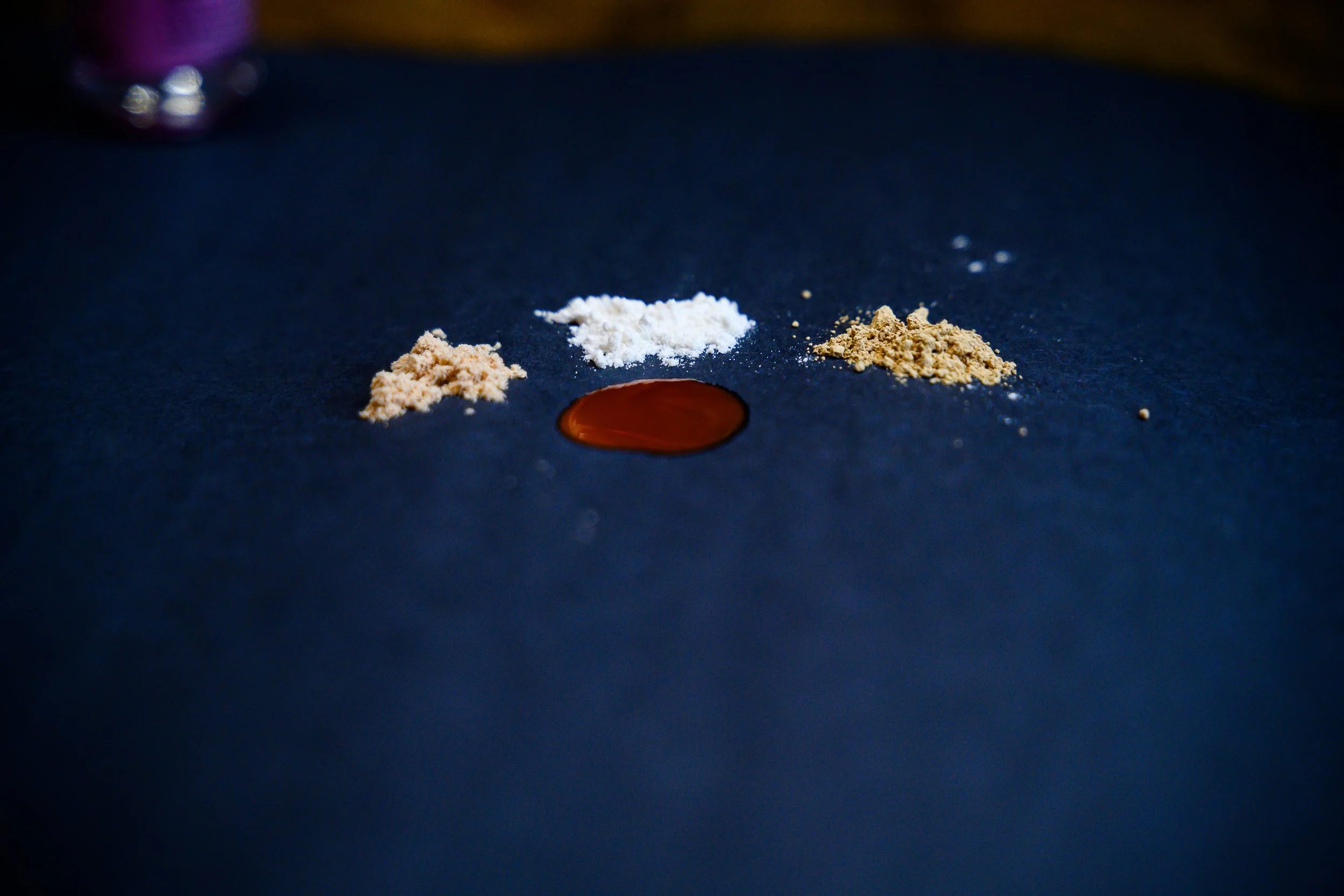
Urushi lacquer has been used as a repair tool for thousands of years, while kintsugi has existed since at least the 16th century. Associated with tea culture first, “Chado” (ちゃどう), Kintsugi was a means to preserve artisanal cups and bowls (often owned by wealthier families). These cups and bowls would be finished through mixing urushi lacquer with wood, rice flour, or powdery clay to achieve a glue that would be cured, and finished with pure gold powder or silver powder.
In modern times, the core practices of lacquerware and kintsugi repair are still present, but with more materials and processes available to us. Below is an overview of what is involved in repairing your precious pieces, and a general timeline of how long it takes.
Becoming Whole Once More
Initial Steps for Repair
One of the first steps is usually to determine the extent of damage to a piece. The unique part about kintsugi is that when repairing a ceramic object (or glass/wood), the object gains a new shape, where stress points and the geometry of a piece changes.
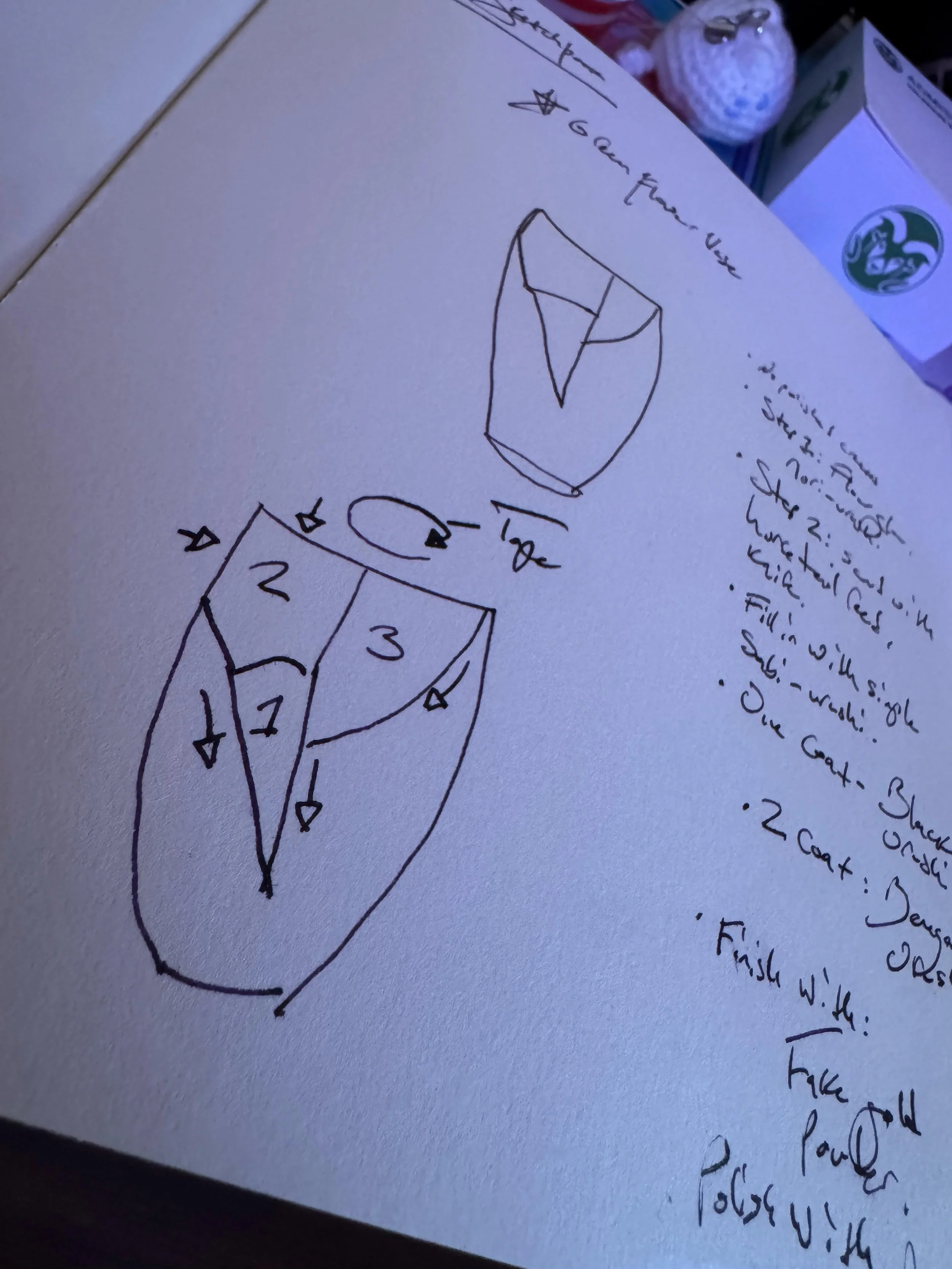
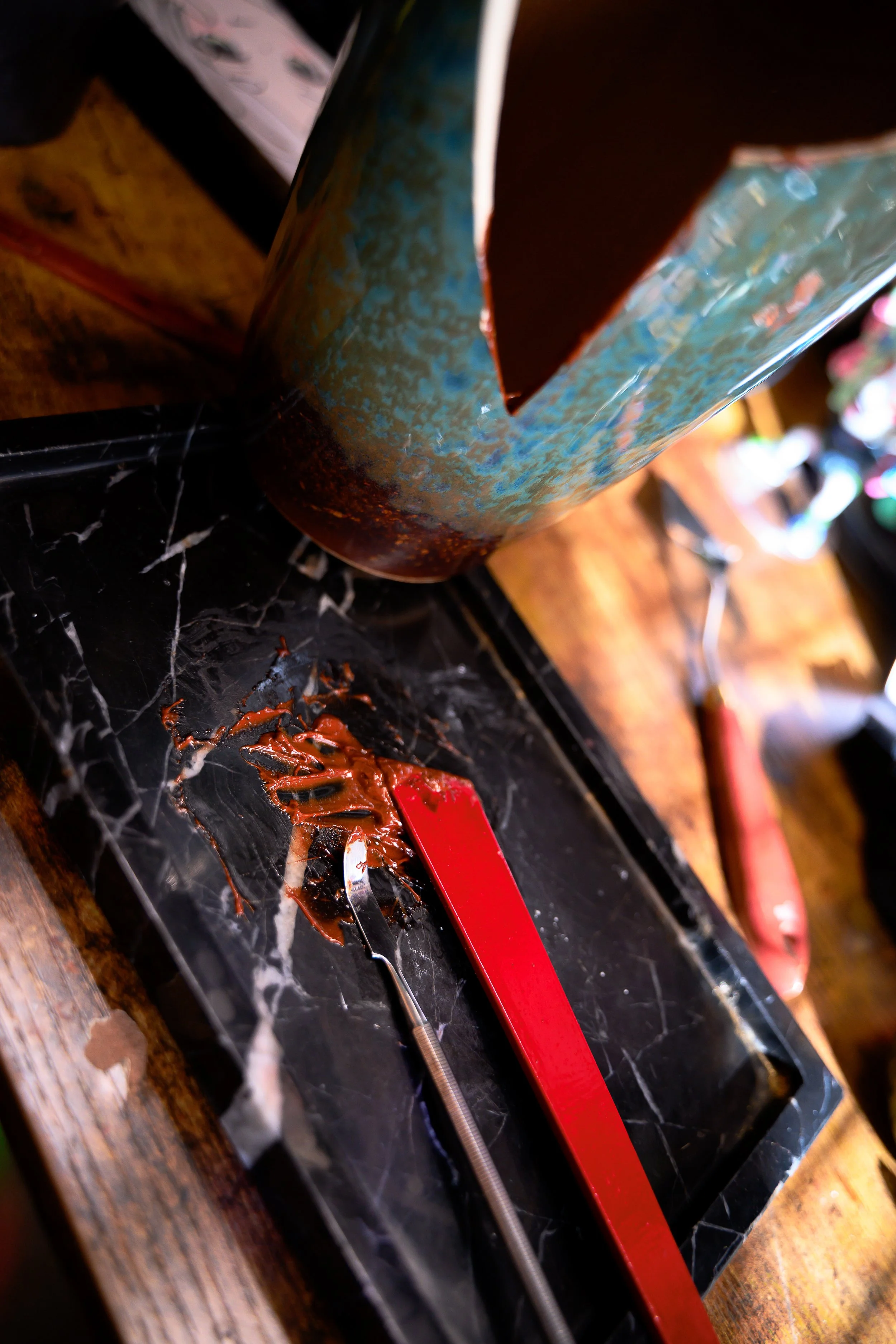
After the layout of the repair is finished, an initial layer of urushi is added to the cracked areas to act as an extra binder to the actual “glue” that is created using flour, water, and urushi called “Mugi-Urushi” (麦漆).
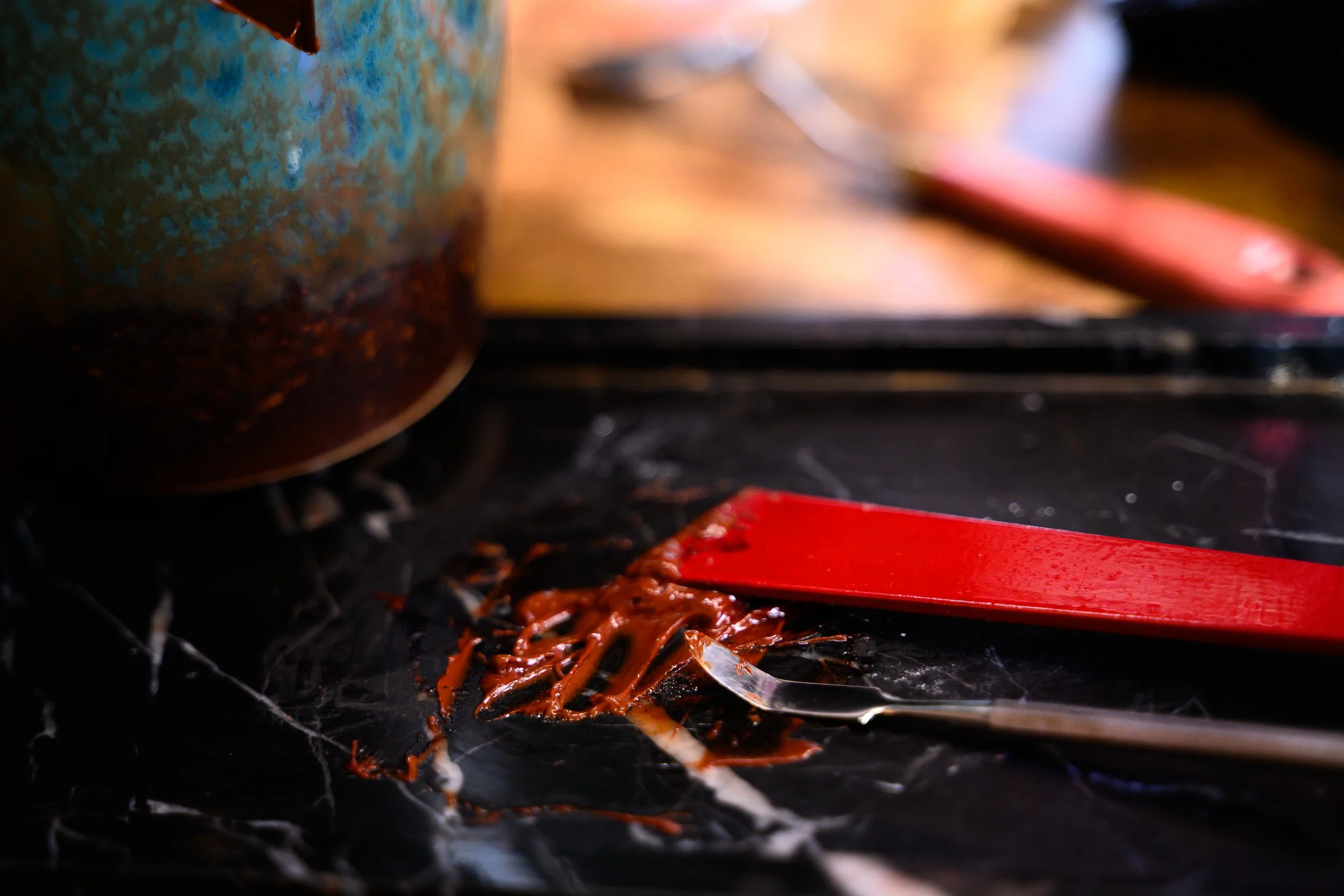
Cure Time: 1-2 weeks minimum
Sometimes, different pieces are missing for a person’s precious object and those gaps in the object need to be accounted for and filled in. Sometimes, this work adds substantial time to the repair process. The putty or paste that is used to fill in those empty spaces is called “Sabi-Urushi” (錆漆). With each layer of sabi applied, it can take two-three weeks to cure.
Cure Time: 1-3 weeks minimum
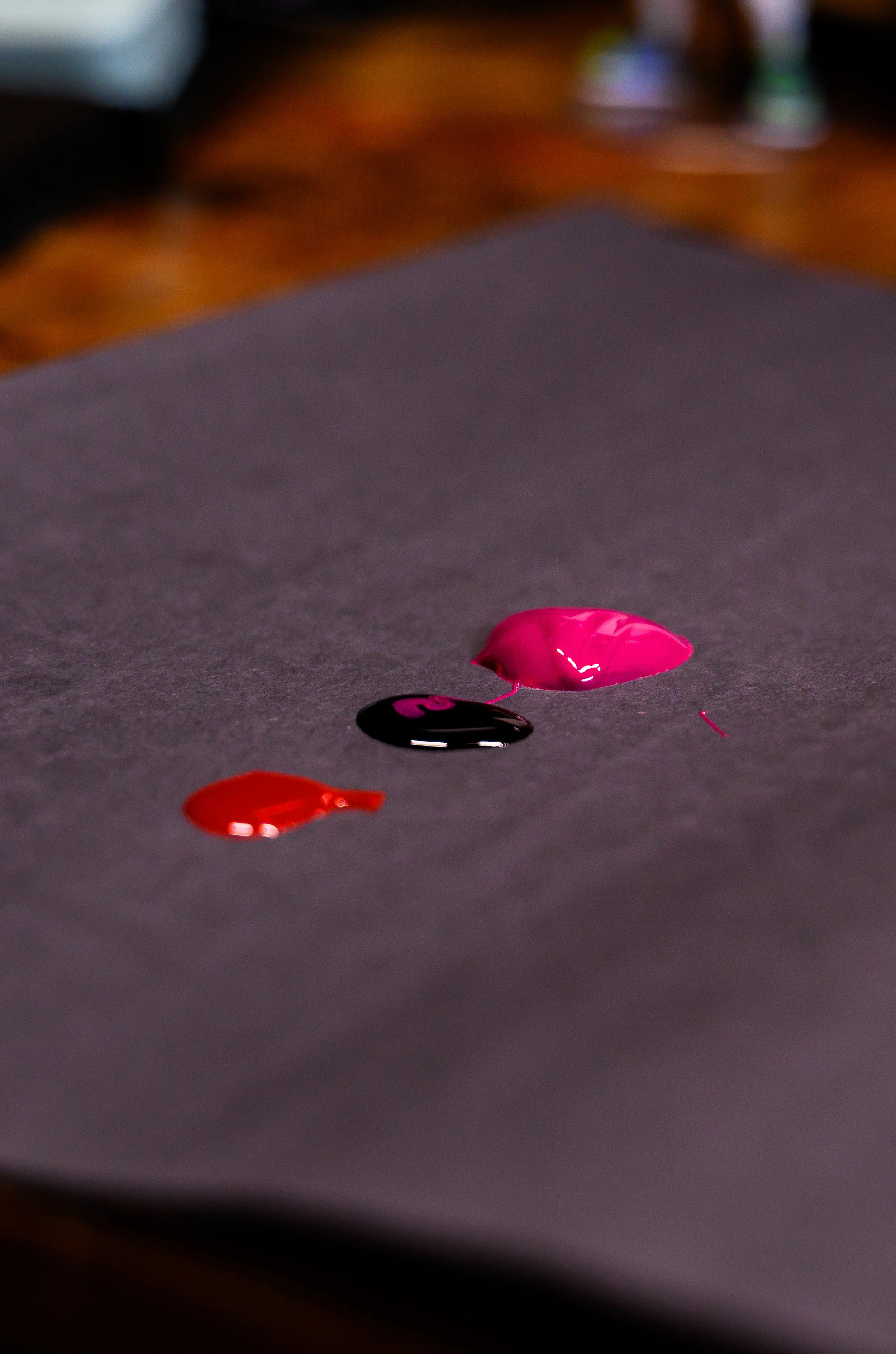
The next steps vary by desired finish from a client, or what extra care needs to be taken to ensure that the final surface an artist works with is smooth and level. To do this, layers of black urushi and red urushi are added and cured onto the cracked sabi-layers over and over until a surface is waterproof and even.
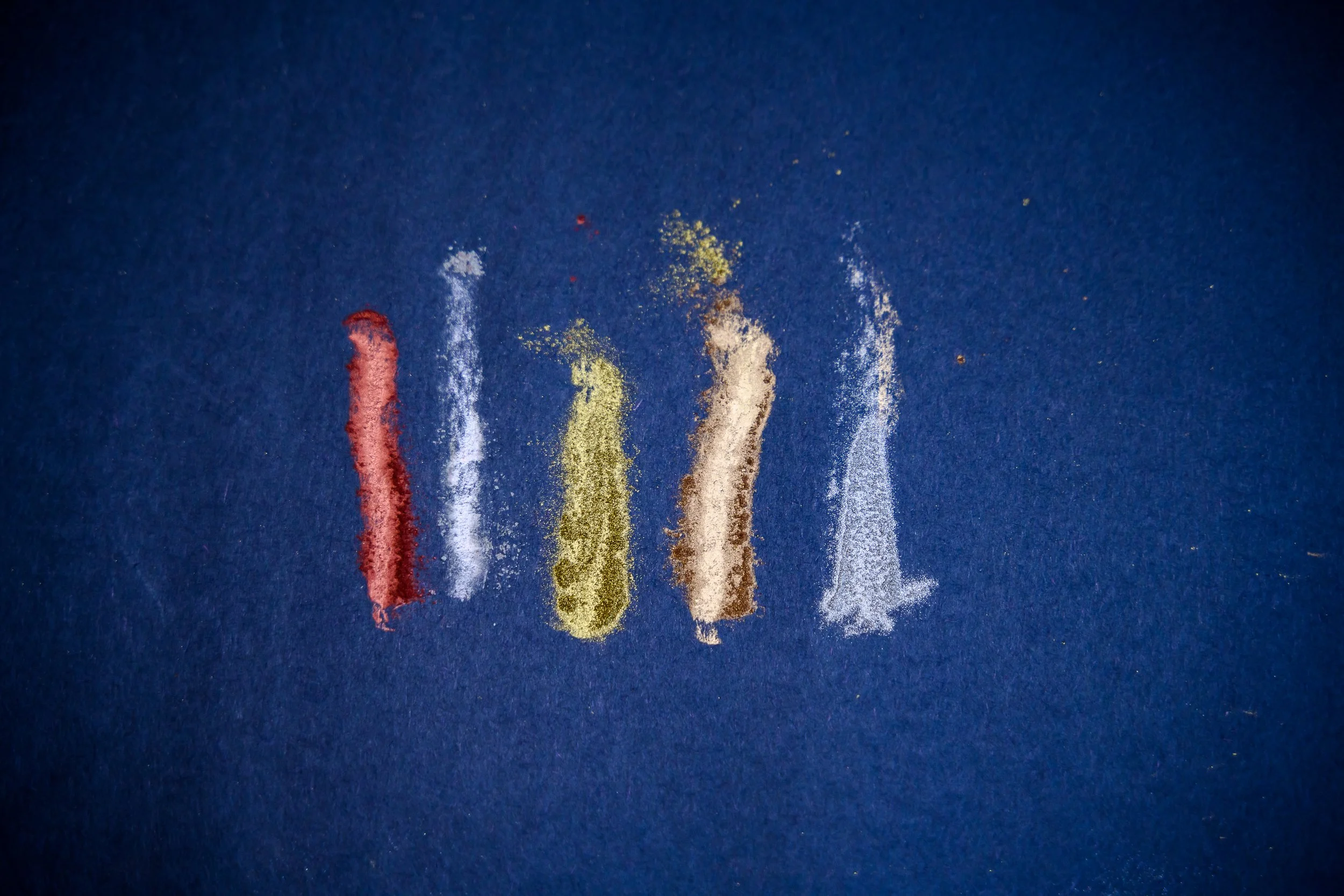
Depending on a client’s preference, they can have all types of finishes available to them. These are some examples:
In order from left to right:
Pure Copper
Pure Silver
Gold-Type Brass
Warm Brass
Pure Tin
It can take 2-4 weeks of final curing time before a piece is considered “finished”. Even then, the urushi underneath each layer does one long final cure that can take up to a couple of months, but as long as the piece is taken care of by the client, that cure will happen more naturally.
It Takes Time
Browse around Colette’s portfolio to get an idea of what different finishes look like!
And if you have any questions, we have a “contact us” page as well!